Exploring Algorithmic Ties Between Progressive Prize Pools and Live Table Outcome Feeds in Hybrid Betting Platforms
Écrit par Alex Lehmann · 30/10/2026
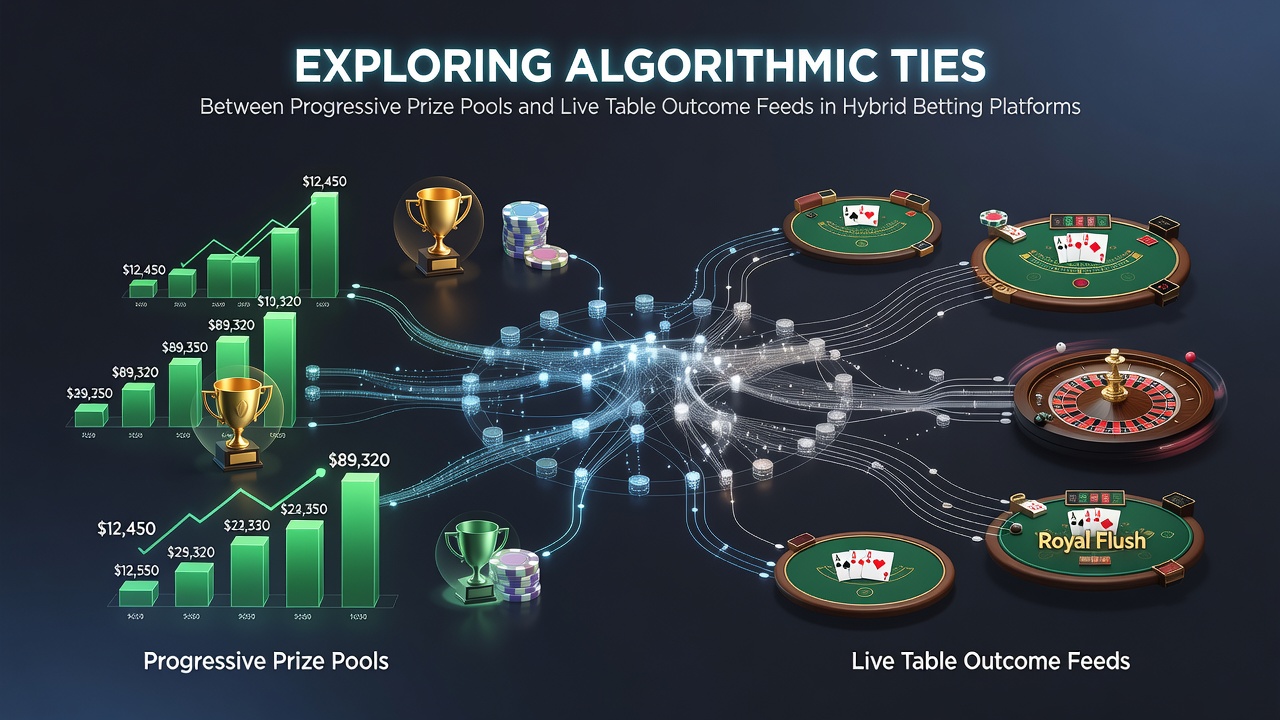
Exploring Algorithmic Ties Between Progressive Prize Pools and Live Table Outcome Feeds in Hybrid Betting Platforms
Core Components of Hybrid Systems
Hybrid betting platforms combine live dealer tables with digital interfaces, and progressive prize pools grow through contributions from multiple game types while live table outcome feeds deliver real-time results from physical roulette wheels or card shuffles. Algorithms link these elements by ingesting outcome data, calculating contributions to shared jackpots, and triggering payouts when specific sequences align across connected games. Data from regulatory filings shows that such integrations appeared in several North American and European markets by October 2026, with platforms processing thousands of live feeds per minute to update prize levels dynamically.
Data Processing Pathways
Live table outcomes travel through secure APIs into central servers where algorithms parse variables like wheel segment hits or card distributions, then apply weighting formulas to determine how each result adds to the progressive pool. Those who have examined platform architectures note that seed values from live feeds often determine increment rates, whereas static RNG elements handle non-progressive side bets. Research from the University of Nevada's gaming technology lab indicates that synchronization protocols reduce latency to under 200 milliseconds in most deployments, allowing prize displays to reflect table activity without interruption.
One study of European operators revealed that hybrid systems allocate 1.5 to 3 percent of each live bet directly to progressive meters, with the exact percentage derived from historical outcome frequency models. These models adjust monthly based on aggregated feed data, ensuring pools reflect actual play volume rather than fixed estimates. Observers note that October 2026 updates to several major platforms refined these allocation scripts to incorporate regional regulatory caps on jackpot growth rates.
Integration Challenges and Solutions
Connecting physical table hardware to cloud-based prize engines requires error-checking layers that validate each data packet against checksum protocols before any pool adjustment occurs. When feeds report anomalous results, such as repeated zero hits in roulette beyond statistical norms, algorithms pause contributions until manual verification confirms legitimacy. Industry reports from the Malta Gaming Authority document that such safeguards prevented several potential overpayments during high-volume periods in 2025 and early 2026.
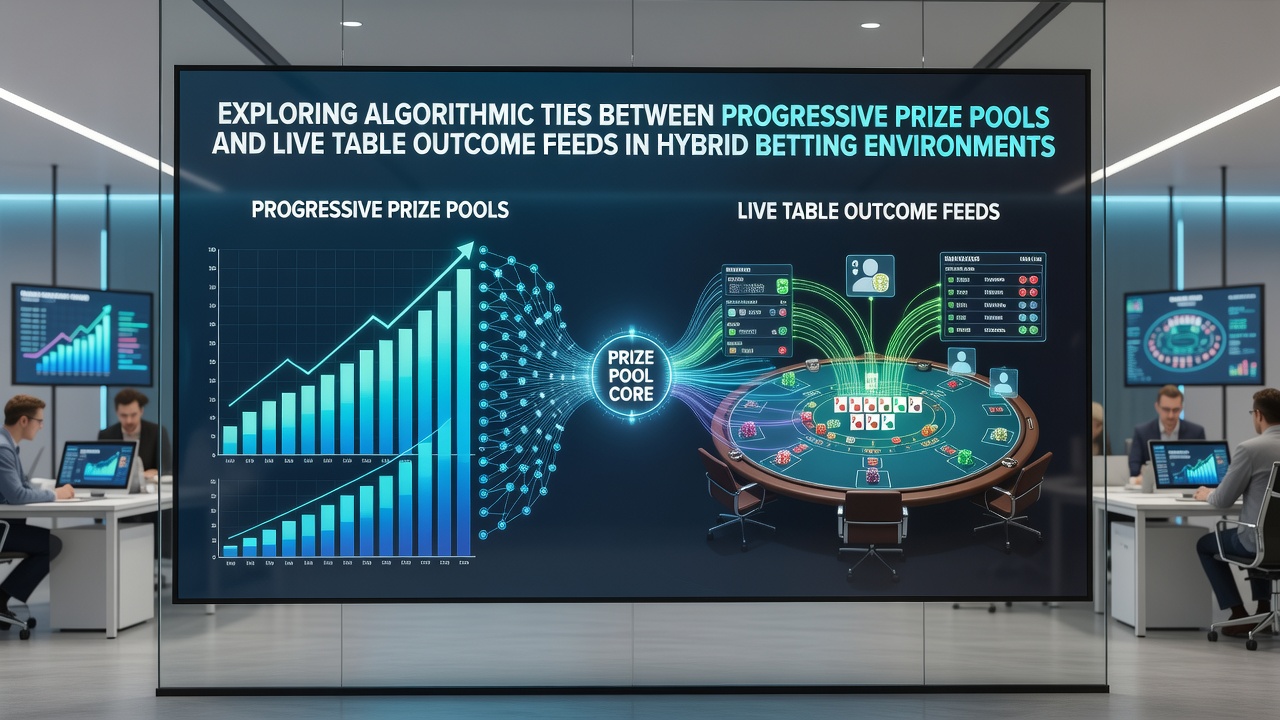
Hybrid platforms also face bandwidth demands when thousands of simultaneous users query both live streams and current jackpot amounts. Engineers address this through edge computing nodes that cache recent outcome data locally, reducing round-trip times while preserving the integrity of the central progressive calculations. Figures from Canadian iGaming operators show average system uptime above 99.7 percent after these optimizations took effect in mid-2026.
Regulatory and Technical Standards
Authorities in multiple jurisdictions require third-party audits of the algorithms that tie live feeds to prize pools, with testing focused on fairness metrics and data integrity. The Nevada Gaming Control Board published guidelines in 2026 that mandate cryptographic signing of every live outcome packet, ensuring traceability from table sensor to jackpot meter. Similar frameworks in Australia emphasize transparency reports that disclose how often progressive triggers activated during the prior quarter.
Those who've reviewed audit summaries find that discrepancies between expected and actual payout frequencies rarely exceed 0.02 percent when proper validation layers remain active. Platforms that fail initial audits typically implement additional checksum routines or redundant feed sources before re-certification. October 2026 saw several operators complete such re-certifications ahead of seasonal traffic spikes.
Future Developments in Algorithm Design
Emerging designs incorporate machine learning modules that analyze patterns across multiple live tables to predict short-term contribution surges, allowing prize displays to update with greater precision. These modules draw from anonymized historical feeds rather than individual player data, maintaining compliance with privacy regulations. Academic papers presented at the 2026 International Conference on Gambling Studies highlighted prototype systems that reduced jackpot variance by 12 percent through adaptive weighting.
Cross-platform compatibility remains an active area of work, as different hardware vendors supply live table equipment with varying data formats. Standardization efforts led by trade associations aim to create common schemas for outcome packets, which would simplify integration for operators running mixed-vendor environments. Early adopters reported faster deployment times once initial mapping scripts were refined.
Conclusion
Algorithmic connections between progressive prize pools and live table outcome feeds enable hybrid platforms to deliver synchronized jackpot growth based on real physical events. Technical implementations rely on validated data pathways, regulatory oversight, and ongoing refinements documented through 2026. Continued development in this area centers on improved synchronization, standardized formats, and audited fairness controls that support expanding hybrid operations across regulated markets.