The Intersection of Promotional Structures and Cross-Game Data Flows in Unified Poker and Sports Platforms
Écrit par Alex Lehmann · 13/11/2026
The Intersection of Promotional Structures and Cross-Game Data Flows in Unified Poker and Sports Platforms
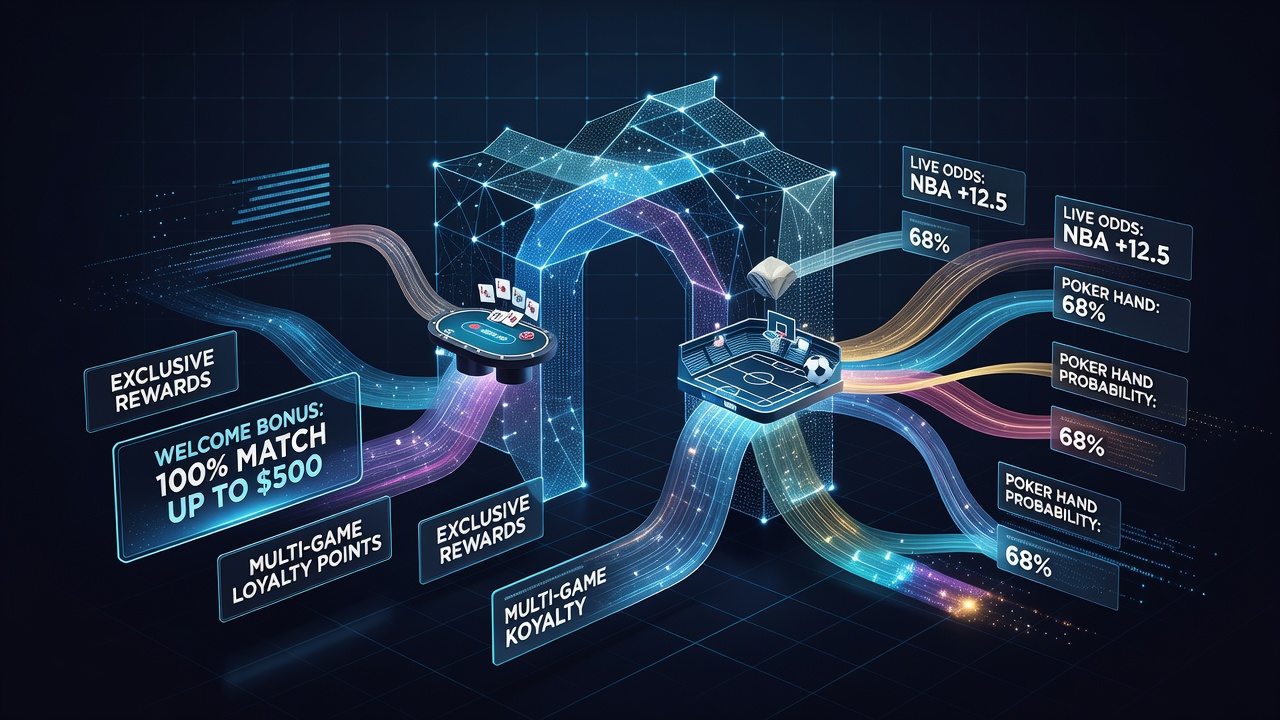
Unified platforms that combine poker rooms with sports betting sections have developed promotional structures designed to move players between verticals while tracking activity through shared data systems, and these mechanisms rely on real-time data flows that connect tournament outcomes, betting patterns, and loyalty metrics across both environments.
Promotional Structures Across Game Types
Operators structure promotions such as deposit matches, free spins equivalents in poker, and boosted odds in sports to encourage cross-vertical play, and data indicates these offers often trigger based on activity thresholds met in one game type that unlock rewards in another. In November 2026 several major platforms updated their loyalty tiers to reward combined poker session hours and sports wager volumes within single accounts, creating seamless pathways where a player's completion of a multi-table tournament directly influences available sports betting credits.
Those who manage these systems note that promotional triggers frequently pull from aggregated player profiles rather than isolated game logs, which allows bonuses earned through sports event participation to appear automatically in poker lobbies and vice versa. Research from industry groups shows this approach increases session frequency because players receive tailored incentives that reflect their full activity history instead of segmented rewards limited to one vertical.
Cross-Game Data Flows and Integration
Data flows between poker and sports sections operate through centralized player databases that update continuously as users switch between interfaces, and these streams carry details on wager sizes, win rates, time spent at tables, and event-specific outcomes. When a sports bet settles, the resulting data packet can feed into poker promotion engines that adjust rakeback percentages or tournament ticket eligibility on the fly.

According to figures released by the European Gaming and Betting Association, platforms employing unified data architectures reported average cross-vertical play rates rising by 18 percent during the first three quarters of 2026. Observers note that these flows also support responsible gaming tools because risk indicators compiled from both poker and sports activity provide more complete profiles for intervention algorithms.
Technical Mechanisms Supporting Unified Promotions
Backend systems use API connections and event-driven architectures to push promotional eligibility updates across modules without requiring players to log out or switch accounts manually, and this setup allows a single loyalty balance to reflect contributions from both poker hands played and sports markets wagered upon. Developers implement encryption and consent protocols so that data moving between verticals complies with varying regional standards while maintaining promotional accuracy.
One study conducted by academic researchers at the University of Nevada Reno examined how real-time feeds from live dealer tables and in-play sports markets feed into the same promotional decision engines, and results showed reduced latency in bonus delivery when unified data pipelines replaced separate tracking systems. In November 2026 platform operators continued refining these connections to handle higher volumes during major sporting events that coincide with large poker series.
Regulatory Context and Industry Standards
Regulators in multiple jurisdictions require clear documentation of how player data crosses game boundaries for promotional purposes, and operators must demonstrate that such flows do not create unfair advantages or obscure terms. The American Gaming Association has published guidance on transparency standards for integrated platforms, emphasizing audit trails that link promotional triggers directly to verified activity records.
Canadian provincial regulators have similarly examined data sharing practices in unified environments, focusing on whether promotional structures comply with advertising rules when offers span poker and sports products. Evidence suggests platforms that maintain separate consent layers for each data use case encounter fewer compliance issues during routine reviews.
Conclusion
Unified poker and sports platforms continue to refine promotional structures that depend on cross-game data flows for personalization and engagement, with technical integrations supporting real-time updates between verticals. Data from 2026 demonstrates measurable increases in cross-vertical activity where these systems operate, while regulatory frameworks in different regions shape the boundaries within which operators manage player information and deliver incentives.